
 English
 Čeština
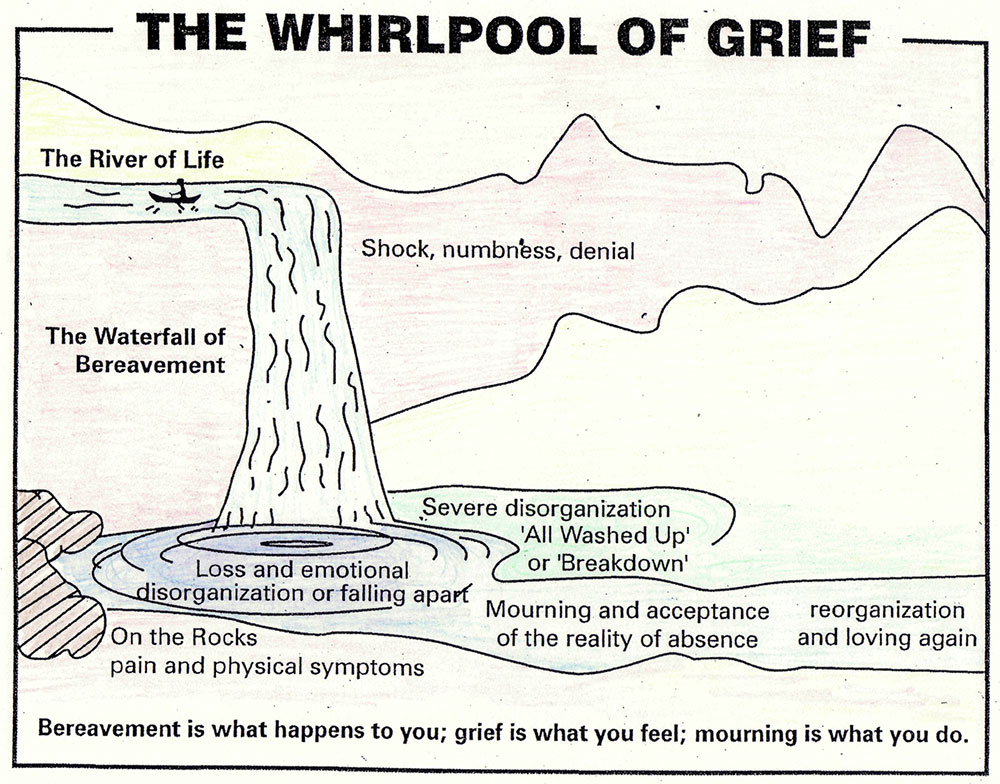
Bereavement
The loss of a loved one or a close attachment can evoke a wide spectrum of emotions—intense sadness, anger, guilt, anxiety, emptiness, or even numbness—reflecting the depth of the relational bond and the individual’s psychological landscape. From a therapeutic perspective, grief is not simply a response to absence; it is also a window into patterns of attachment, relational histories, and coping mechanisms. For example, those with insecure or anxious attachment styles may experience heightened fears of abandonment or difficulty tolerating emotional intensity, whereas individuals with more secure attachment may demonstrate greater resilience, though no attachment style renders grief painless.
Bereavement is a deeply individualized process, rarely linear, and often encompasses emotional, cognitive, behavioral, and somatic dimensions. Therapeutically, effective support involves creating a containing environment in which individuals can safely experience and express intense emotions.
Approaches may include:
- Attachment-informed therapy: Exploring how early relational experiences shape the individual’s response to loss, helping them understand attachment patterns and their influence on grieving.
- Psychodynamic approaches: Examining unresolved conflicts, ambivalent feelings toward the deceased, and unconscious relational dynamics that surface during grief.
- Cognitive-behavioral strategies: Identifying maladaptive thought patterns or avoidance behaviors that may hinder processing, while developing adaptive coping strategies.
- Ritual and meaning-making interventions: Facilitating personal or cultural rituals and helping the individual reconstruct a sense of identity and continuity in life without the lost attachment.
Processing grief can illuminate both vulnerability and resilience, offering profound insights into how one relates to self and others. The therapeutic task is to guide individuals in tolerating the intensity of loss, integrating the emotional experience, and gradually re-engaging with life, while honoring that grief is neither uniform nor time-bound. This nuanced understanding recognizes that bereavement is simultaneously a deeply personal journey and a reflection of broader relational and emotional patterns, making it one of the most complex and transformative human experiences.
The Five Stages of Grief
Grieving is a natural, adaptive process and, according to some theorists, may unfold through five stages. These stages are not strictly linear and can appear in any context of loss, whether it be the death of a loved one, the end of a relationship, the loss of a job, or other significant life changes. Each stage represents a different facet of emotional processing and serves a protective and integrative function in coping with loss.
- Denial
Denial involves a temporary rejection of the reality of the loss. It functions as a psychological defense, shielding the individual from being overwhelmed by intense emotions such as despair or numbness. By creating a buffer, denial allows the mind to absorb the loss incrementally, helping the individual maintain a sense of stability while gradually confronting the reality of what has occurred.
- Anger
Anger emerges as awareness of the loss becomes more pronounced. This may be directed toward the deceased, others, oneself, or even the broader world. From a therapeutic perspective, anger serves a protective function by giving expression to the pain and injustice of the loss. It helps the individual externalize feelings that might otherwise become internalized, creating a bridge through which intense emotions can be acknowledged and processed.
- Bargaining
Bargaining reflects an attempt to regain control or find meaning in the face of loss. This often manifests as “if only” thinking—ruminating on what could have been done differently to prevent the loss. The affective focus temporarily shifts inward, generating guilt and self-reflection. While potentially distressing, bargaining allows the individual to actively engage with the emotional experience, fostering a gradual acceptance of the limits of personal influence over loss.
- Depression
Depression marks the stage where the reality of the loss becomes fully recognized, and feelings of emptiness, sadness, and withdrawal may predominate. These experiences are both natural and necessary; they provide the emotional space to process grief deeply. In therapy, allowing oneself to experience these states without judgment is crucial, as avoidance can hinder emotional integration and prolong the grieving process.
- Acceptance
Acceptance is the stage in which an individual comes to recognize and integrate the reality of the loss. It does not imply that the loss is “okay” or that grief is over; rather, it involves learning to live with and adapt to the changed circumstances. Feelings of ambivalence, including guilt or perceived betrayal as one moves forward, are common. Acceptance allows the individual to create new meaning, form new relationships, and continue life while honoring what has been lost.
International Grief Support Resources
- Samaritans – Emotional support and listening service; part of an international network for people in distress and grief.
- Befrienders Worldwide – Global network of emotional support helplines and crisis services connecting you to local listening support.
- GriefShare – International grief recovery support group programme with in‑person and online meetings focused on understanding and coping with loss.
- HelpGuide International Helplines Directory – Worldwide directory of crisis and emotional support helplines and resources.
- Grieving.com Support Forums – Online support forums for grief and loss of family, friends, partners, and other losses.
UK‑Specific Grief and Bereavement Resources
- Cruse Bereavement Support – UK’s leading bereavement charity offering free, confidential support, counselling and helplines.
- AtaLoss.org – UK‑wide grief support directory with access to 2,000+ services and online counselling options.
- The Good Grief Trust – Umbrella network of UK bereavement support services, guides, and local help finder.
- Child Bereavement UK – Support for children, young people, and families coping with death and bereavement.
- Hope Again – Youth‑focused grief support run by young people, for young people.
- Winston’s Wish – Childhood bereavement charity providing helplines, counselling, and creative support resources.
- Mind – Bereavement Support & Self‑Care – Practical guides on coping with grief and where to find support in the UK.
- Sue Ryder – Online Bereavement Support – Free online support and links to local counselling services.
- LionHeart – Bereavement Support – Professional counselling and emotional support for bereavement with additional practical help.
- National Bereavement Alliance – Support Guide – UK guide and directory to bereavement support options for diverse needs.